ERPNext Implementation in Kochi & Ernakulam: The Local Business Guide
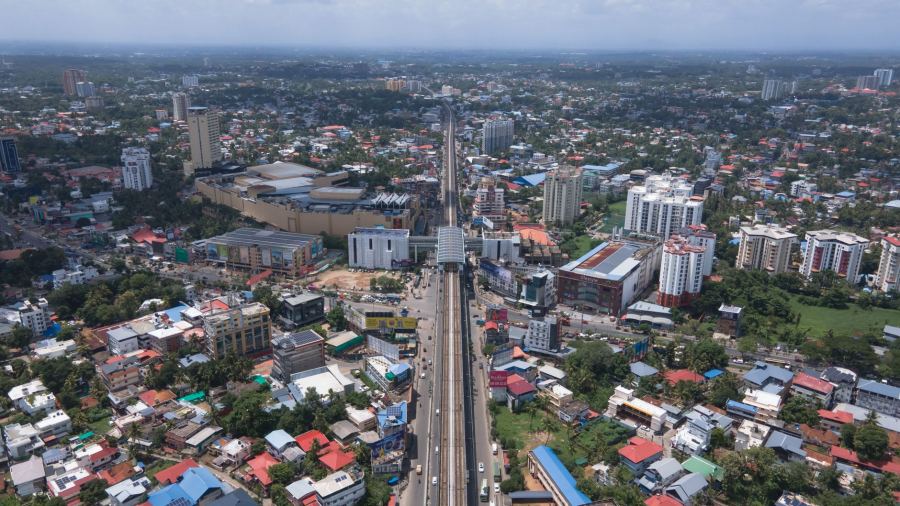
Kochi has quietly become Kerala's most important commercial address. Infopark Kakkanad and the Smart City campus have pulled in IT and ITES companies, the port and NH66 corridor keep trading and logistics firms busy, and a dense cluster of manufacturers, distributors, and retail chains run out of Ernakulam district. Yet a surprising number of these businesses are still running finance on Tally, inventory on spreadsheets, and payroll on a mix of Excel and a local software vendor's desktop tool. That gap — between how fast Kochi companies are growing and how disconnected their back-office systems are — is exactly where ERPNext earns its keep.
This guide is written specifically for business owners and finance leaders in Kochi and Ernakulam evaluating ERPNext, and for anyone comparing implementation partners in the region.
Why Kochi Businesses Are Moving to ERPNext
Three patterns show up again and again in conversations with Ernakulam-based companies:
- Multi-location trading and distribution. Many Kochi trading houses run branches or warehouses across Ernakulam, Thrissur, and into Kottayam or Alappuzha. Reconciling stock and accounts across locations in Tally or disconnected spreadsheets is slow and error-prone. ERPNext's multi-warehouse inventory and consolidated accounting give a single real-time view across all branches.
- IT and services companies in Infopark/Kakkanad need project costing, timesheet-linked billing, and CRM in one place — not four disconnected SaaS subscriptions that don't talk to each other.
- Manufacturers along the NH66 and Aroor-Kalamassery belt need bill-of-materials, shop floor tracking, and batch/serial control that spreadsheets simply cannot give them as they scale beyond a certain order volume.
What an ERPNext Implementation Actually Involves
A proper implementation is not just installing software — it's a structured project. For most Kochi-based SMEs and mid-sized companies, it breaks down into four phases:
1. Discovery & Process Audit
A local partner sits with your finance, sales, and operations teams to map current workflows — often revealing manual reconciliation steps or duplicate data entry that's been normalized over years. This is where most of the ROI case gets built.
2. Data Migration
Most Kochi companies migrating are coming off Tally. If that's you, our detailed Tally-to-ERPNext migration guide covers exactly how chart of accounts, stock ledgers, and outstanding invoices move across cleanly.
3. Configuration & Customization
GST-compliant invoicing, e-way bill fields, TDS handling, and India payroll (PF, ESI, professional tax) need to be configured correctly from day one — this is where generic or overseas implementers often fall short of local compliance nuance.
4. Training & Ongoing Support
Go-live is the start, not the finish. Teams need hands-on training, and the business needs an AMC (annual maintenance contract) relationship for upgrades, bug fixes, and new module rollouts as the company grows.
Why a Kerala-Based Partner Matters for Ernakulam Companies
ERPNext is open source, so implementation quality depends entirely on the partner, not the software. For a Kochi business, working with a partner headquartered in Kerala (rather than a remote team in another state or country) means:
- Faster on-site visits for training, go-live support, and hardware/POS integration — no flight or long drive required.
- Direct familiarity with Kerala-specific business practices: local GST filing patterns, professional tax slabs, and the seasonal cash-flow rhythms of trading and retail businesses in the region.
- Same time zone, same language options (Malayalam-fluent support teams), and faster response on support tickets.
TABSYST is headquartered at HiLITE Business Park in Kozhikode and actively serves clients across the Malabar region and Ernakulam district, giving Kochi businesses a genuinely local implementation team — not a satellite office of a Bangalore or Chennai-based vendor. See our Kozhikode ERPNext partner page for our full Kerala service footprint.
ERPNext vs. What Kochi Businesses Currently Use
Most evaluations we run in Ernakulam compare ERPNext against continuing with Tally, or against Zoho. If you're weighing Zoho specifically, our Zoho vs ERPNext comparison covers where each platform is stronger, particularly for manufacturing and multi-warehouse operations that outgrow Zoho's inventory depth.
Frequently Asked Questions
Is ERPNext suitable for a small or mid-sized Kochi business, or only large enterprises?
ERPNext scales down as well as up. Because it's modular and open source, a 15-person trading firm can run just accounting and inventory, while a 200-person manufacturer can add full production planning — without switching platforms as they grow.
How long does a typical ERPNext implementation take in Kochi?
A focused accounting-and-inventory rollout for a single-location SME typically takes 4–8 weeks. Multi-branch or manufacturing implementations with custom modules run 10–16 weeks depending on data migration complexity.
Does ERPNext handle Indian GST and e-way bill requirements?
Yes — GST-compliant invoicing, HSN/SAC codes, e-way bill fields, and GSTR-ready reports are supported natively and configured during implementation.
See also: ERPNext Implementation in Calicut & Kozhikode — the local business guide.
Related guides: ERPNext for Kerala Businesses · ERPNext for Indian-Owned UAE businesses
If you're running a business in Kochi or Ernakulam and want a straight answer on whether ERPNext fits your operations, book a free discovery audit with TABSYST. As a Kerala-headquartered certified ERPNext partner, we'll map your current process, flag the real cost and timeline, and tell you honestly if ERPNext is the right fit before you commit to anything.
Which ERP Companies Serve Kochi and Ernakulam?
Businesses searching for ERP companies in Kochi are usually comparing three kinds of providers: national IT majors with a Kochi sales office but no dedicated implementation team on the ground, Bangalore- or Chennai-headquartered ERP resellers who fly in for go-live and then hand support to a call centre, and Kerala-based ERPNext partners who staff Kochi and Ernakulam projects locally end to end. For most Ernakulam SMEs and mid-sized companies, the third category delivers faster on-site training, quicker support response, and a partner who understands Kerala GST filing patterns and payroll practice without a learning curve.
- What to check before shortlisting an ERP software company in Kochi: official partner status with the ERP vendor (for ERPNext, official Frappe partner status), a physical Kerala office you can actually visit, in-house data migration and GST/e-invoicing configuration rather than outsourced work, and reference clients in your industry.
- Where TABSYST fits: TABSYST is an official ERPNext (Frappe) partner headquartered at HiLITE Business Park, Calicut, actively serving Kochi and Ernakulam district clients with on-site discovery, training and go-live support — not a satellite office reporting to a Bangalore or Chennai head office. See our full comparison of the best ERP companies in Kerala for how we stack up against other options on official partner status, local presence, GST depth and industry fit.