Best Van Sales Software in the UAE (2026): Buyer's Guide for Distributors
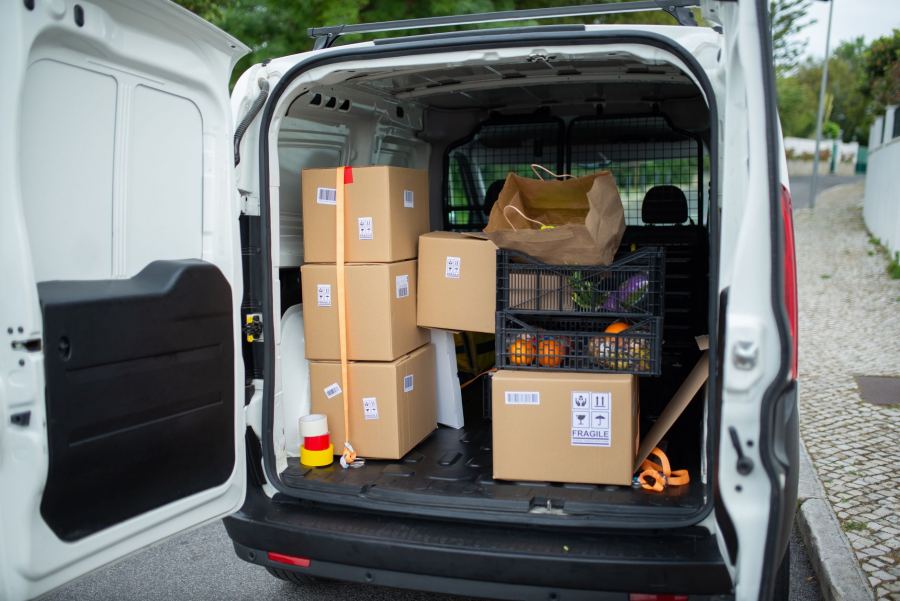
Before dawn in Dubai Investment Park, Al Quoz, and the industrial belts of Sharjah, hundreds of vans roll out loaded with stock — water, dairy, bakery, snacks, beverages, tobacco, cleaning supplies — heading route by route to the groceries, cafeterias, and supermarkets that keep the UAE fed. This is van sales, and it is the invisible backbone of distribution across the Emirates. It is also one of the hardest operations to control: stock moving outside the warehouse, cash and credit changing hands on the doorstep, VAT invoices raised on the spot, and returns and expiry to reconcile every evening. This guide explains what a modern van sales operation in the UAE actually needs — and how a purpose-built van sales app on ERPNext, implemented by a team that has done it many times, turns that daily chaos into clean, real-time control.
Pre-sales vs. van sales: getting the model right
Two distribution models dominate the UAE, and the software has to fit the one you run:
- Van sales (Direct Store Delivery / DSD). The salesman carries stock on the van and sells, invoices, and delivers in a single visit. Ideal for fast-moving lines — water, bread, dairy, snacks.
- Pre-sales. An order-taker visits first, the order is picked at the warehouse, and a delivery van follows. Better for larger baskets and slower-moving SKUs.
Most UAE distributors run a hybrid. A capable van sales app must support both from the same system, so routes, customers, and stock stay in sync no matter which model a given line uses.
What a van sales app must do in the UAE
A generic mobile sales app is not enough here. The UAE adds specific compliance and operational demands. A van sales solution built for this market has to deliver all of the following:
- Offline-first operation. Connectivity dies inside warehouses, basements, and remote routes. The app must sell, invoice, and record everything offline and sync automatically when signal returns — no lost sales, no duplicate entries.
- FTA-compliant VAT invoicing from the van. A proper 5% VAT tax invoice — with TRN, correct tax lines, and Arabic where needed — printed or sent on the spot, not reconstructed later at the office.
- Live van inventory. Every load-out, sale, return, and transfer tracked in real time, so the evening reconciliation is a report, not an argument.
- Cash and credit control. On-the-spot collection, customer credit limits and outstanding balances visible to the salesman, and clean settlement against the day's sales.
- Route planning and visit compliance. Optimised journey plans, GPS-stamped visits, and coverage reporting so you know every outlet was actually served.
- Returns, damages, and expiry. Critical for FMCG — capture near-expiry and damaged stock at the point of sale and feed it straight into inventory and accounting.
- Real-time sync to the back office. Sales, stock, and collections flowing straight into the ERP — no re-keying, no end-of-day data entry marathon.
The four ways UAE distributors actually run van sales
Before comparing products, be honest about which of these you are running today — most UAE distributors are on the first two and paying for it in reconciliation time rather than licence fees.
| Approach | What it covers | What happens in the field | Cost shape |
|---|---|---|---|
| Paper + WhatsApp | Nothing | Van stock is a guess until the van returns; VAT invoices written by hand | Free, and the most expensive option you will ever run |
| Generic mobile sales app | Order capture only | Syncs orders, but stock and cash live elsewhere — you still reconcile twice | Per-user monthly; cheap until you add the back office |
| ERP module alone | Books and stock | Strong in the office, weak in the van — usually needs connectivity | Included in your ERP; hidden cost is field usability |
| Sellbee on ERPNext | Van, office and ledger as one | Offline invoicing, live van stock, per-salesman cash wallet, GPS check-in, posts straight to the ledger | Implementation-weighted; no per-user ERP licence fees |
Why ERPNext + a purpose-built van sales app
The mobile app is only half the story. What separates a lasting solution from a throwaway one is the back office it connects to. Running van sales on ERPNext means the doorstep sale flows directly into inventory, accounting, VAT returns, and management reporting — one source of truth from the van to the balance sheet. And because ERPNext carries no per-user licence fees, you can put the app in every salesman's hand without the cost spiralling the way it does with proprietary suites. For UAE distributors weighing the total investment, our ERPNext implementation cost guide for the UAE lays out the real numbers.
Meet Sellbee — our van sales app, already live in the UAE
TABSYST doesn’t just advise on van sales software — we build and run it. Sellbee is our own van sales app, already live with distributors across the UAE, doing exactly what this guide describes: offline-first selling, FTA-compliant VAT invoices raised right from the van, live van inventory, route planning, and clean end-of-day cash and stock reconciliation. Because it comes from a certified ERPNext partner, Sellbee is built to plug straight into your ERP back office, so every doorstep sale flows into inventory and accounting in real time. It is proven in the field on real UAE routes — not a slide deck.
UAE compliance: VAT, e-invoicing 2026, and payroll
Distribution is a heavily regulated, high-transaction-volume business, which makes compliance non-negotiable:
- VAT (5%). Every van invoice is a proper FTA tax invoice, and returns are built from clean, complete data rather than reconstructed at quarter-end.
- E-invoicing (from 2026). The UAE is rolling out mandatory e-invoicing on a phased basis from 2026. A distributor issuing thousands of invoices a day has the most to gain from being ready early — structured, compliant invoices generated automatically rather than retrofitted under deadline.
- WPS payroll. Sales teams, drivers, and merchandisers paid through the Wage Protection System, run from the same ERP.
Van sales in Dubai specifically
Dubai is where most UAE van-sales operations are headquartered, and it has quirks the rest of the Emirates do not. Routes cross Deira, Al Quoz, Ras Al Khor and Jebel Ali in a single day, so a van can move between a dense souk round and an industrial estate with patchy coverage inside the same shift — which is precisely why offline invoicing is not a nice-to-have. Free-zone and mainland entities often sit in the same group, so the app must invoice from the correct legal entity with the correct TRN, not whichever one the salesman picked. And Dubai’s retail density means more, smaller drops per route than Abu Dhabi or the Northern Emirates, so route sequencing and per-visit time genuinely move margin.
The compliance clock applies here too: the UAE’s e-invoicing mandate reaches businesses at AED 50 million or more from 1 January 2027, with an Accredited Service Provider to be appointed by 30 October 2026. Van-sales invoices are B2B invoices — they are in scope. If your field invoices are raised outside your accounting system today, that is the gap to close first: see our UAE e-invoicing guide and the one-minute readiness check.
For the Dubai-specific implementation view, see ERPNext implementation in Dubai, or the van sales solution page for Dubai.
Who runs on van sales in the UAE
If your business puts stock on a vehicle and sells route-to-route, this applies to you. In the UAE that includes:
- Water and beverage distributors
- Dairy, bakery, and fresh-food suppliers
- FMCG, snacks, and confectionery wholesalers
- HORECA and catering-supply distributors
- Tobacco, stationery, and cleaning-product distributors
- LPG and cylinder delivery operations
Many of these are Indian-owned family businesses running both UAE and home-country operations — a setup we cover in detail in ERPNext for Indian-Owned businesses in the UAE.
What a rollout looks like
A van sales implementation is not a big-bang gamble. Done properly, it moves in stages: configure the products, price lists, and routes; pilot on one or two vans; get the salesmen comfortable with offline selling and reconciliation; then roll out route by route. Devices are set up, drivers are trained in their own language, and the back office learns the daily reconciliation rhythm before scale. The goal is that within a few weeks the evening close goes from hours of manual matching to a single confident report.
Van sales software pricing in the UAE
Van sales apps are usually priced one of two ways, and the difference compounds with fleet size. Most SaaS van-sales apps charge a recurring fee per salesman or per device every month — so every van you add raises the bill. ERPNext with our Sellbee van sales app works differently: there are no per-user licence fees, so your cost is a one-time implementation plus hosting, not a per-rep subscription. For a distributor scaling from a handful of vans to a larger fleet, that gap widens every year — which is exactly how one distributor grew from 7 vans to 15 without a runaway software bill.
Wherever you run routes — Dubai, Abu Dhabi, Sharjah, Ajman and the northern emirates — the same FTA-compliant VAT invoicing, offline selling and real-time sync apply on every van. Ask for a fixed-scope quote based on your fleet size, SKUs and routes.
Frequently asked questions
What is the best van sales app for UAE distributors?
The best fit for most UAE distributors is a van sales app built on ERPNext: it works offline, raises FTA-compliant VAT invoices from the van, tracks live van inventory and collections, and syncs in real time to accounting and stock — without per-user licence fees.
Does van sales software handle UAE VAT?
Yes. A UAE-ready van sales app issues proper 5% VAT tax invoices with the TRN and correct tax lines directly at the point of sale, and feeds clean data into FTA VAT returns — with support for the phased e-invoicing mandate from 2026.
Can a van sales app work offline?
It must. A proper van sales app is offline-first: salesmen sell, invoice, and record stock and collections without a connection, and everything syncs automatically to the ERP once signal returns.
How does a van sales app integrate with ERPNext?
The van sales app is the mobile front end; ERPNext is the back office. Sales, stock movements, returns, and collections flow directly into ERPNext inventory and accounting in real time, so there is a single source of truth from the van to the financial statements.
How much does van sales software cost in the UAE?
It depends on the pricing model. ERPNext with the Sellbee van sales app has no per-user licence fees, so you pay for implementation and hosting rather than a monthly charge per salesman or device — unlike many SaaS van-sales apps that bill per rep. For a growing fleet that usually means a lower total cost as you add vans. A partner provides a fixed-scope quote after a short discovery call.
Which emirates does van sales software cover — Dubai, Abu Dhabi, Sharjah?
A UAE van sales app works across all emirates — Dubai, Abu Dhabi, Sharjah, Ajman and the northern emirates — with the same FTA-compliant VAT invoicing and offline operation on every route, all syncing to one central ERPNext back office.
What is the best van sales software in Dubai?
The best van sales software for Dubai works fully offline, raises VAT invoices under the correct legal entity for groups with free-zone and mainland companies, handles dense routes with many small drops, and syncs stock and cash to the ERP in real time. Sellbee, our own van sales app, is built for UAE distributors on ERPNext. Whichever you shortlist, test it on a real route with patchy coverage before you sign.
A UAE Distributor's Real Numbers: 7 Vans to 15
If you want to see what good van sales software actually changes on the ground rather than in a features list, TABSYST's own Sellbee app has a documented case: a UAE mobile accessories distributor running Tally plus two disconnected apps replaced all three with ERPNext and Sellbee on one ledger in a 40–50 day implementation. Van stock became live instead of a day behind, cash collections were tied to a named salesman's wallet until deposited, and invoices could only be raised within a distance the admin sets from the customer's location. The distributor has since grown from 7 vans to 15. Read the full case study or see the water & beverage distributor case study for a different industry's numbers.
Van Sales Software: Quick Answers
- What is van sales software? Van sales software is a mobile app that lets a salesman sell, invoice, collect payment, and record returns directly from the vehicle on a distribution route, while keeping van stock, cash, and the back-office ledger in sync in real time — instead of reconciling paper tickets at the end of the day.
- What is the best van sales software in Dubai? The right choice depends on whether you need order-capture only or a full van-to-ledger system. For Dubai distributors who want FTA-compliant VAT invoicing, live van inventory, GPS-verified visits, and a direct feed into ERPNext accounting with no per-user licence fees, Sellbee is TABSYST's own van sales app, already running with distributors across Dubai, Sharjah, and the Northern Emirates.
- Does van sales software work offline? It should. Connectivity drops inside warehouses and on remote routes, so a proper van sales app sells, invoices, and records offline, then syncs automatically once signal returns — no lost sales, no duplicate entries.
- How much does van sales software cost in the UAE? Generic order-capture apps are usually priced per user per month and leave stock and cash reconciliation in a separate system. A van-to-ledger solution like Sellbee on ERPNext is implementation-weighted rather than per-user licensed, so adding salesmen does not compound your software bill. See our ERPNext implementation cost guide for real numbers.
- Is van sales software the same as pre-sales software? No. Van sales (Direct Store Delivery) carries stock on the vehicle and sells, invoices, and delivers in one visit. Pre-sales only takes the order on-site; a separate delivery follows. Most UAE distributors run both models and need software that supports each from one system.